East Texas Cattle Market Balances High Prices Against Rising Costs, Imports
By Greg Ritchie
Messenger Reporter
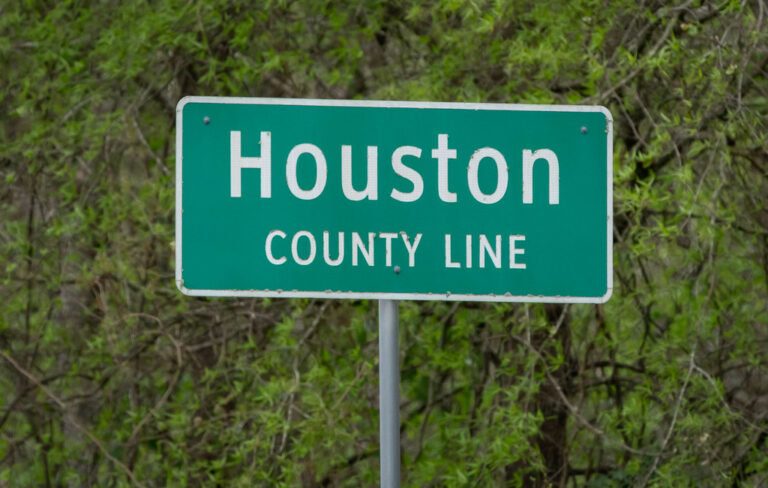
HOUSTON COUNTY — Cattle prices remain strong across Texas, but the money changing hands at the sale barn does not tell the whole story for East Texas ranchers.
Producers are making decisions about when to sell, how many cattle to keep and how rising transportation costs, changing weather conditions and foreign beef supplies may affect the market ahead.
The latest Texas auction summary from the U.S. Department of Agriculture showed feeder steers weighing 500 to 540 pounds averaging $381.04 per hundredweight. Steers weighing 600 to 645 pounds averaged $341.49 per hundredweight, while slaughter cows averaged between $132.10 and $140.44 per hundredweight, depending on class.
The report covering the week ending Sept. 12 said feeder steer and heifer prices were generally steady to as much as $10 higher than the previous week.
Those figures represent the statewide Texas market, but Paul Craycraft of East Texas Livestock said the local sale barn remains an important part of that broader market. Craycraft said he has worked at East Texas Livestock since 1981.
“East Texas Livestock is one of the major marketing centers in the state of Texas,” Craycraft said. “This is a big draw area for cattle.”
One of the most immediate challenges facing ranchers is the cost of diesel, which has risen to over $6 per gallon in the Gulf Coast region.
“Actually, when the price of diesel goes up, all shipment of cattle is by truck,” Craycraft said. “Not only are people bringing cattle in to market, but there is also the outbound movement.”
That affects both the rancher bringing cattle to market and the companies purchasing cattle at the sale barn, he said. Buyers must account for the cost of transporting cattle after the sale, while producers face higher costs getting cattle to the market in the first place.
Craycraft said those increased costs eventually become part of the price calculation.
“These companies that buy the cattle in the sale barns have to factor in an increase in fuel costs,” he said. “They’re going to take it off what they give for cattle.”
The market is also being shaped by the number of cattle available. Craycraft said prices have backed up somewhat as the fall season approaches, when cattle sales traditionally increase. However, he said the volume of cattle moving through sale barns has not reached normal seasonal levels.
“Seasonally, you see markets get cheaper as we get into the fall of the year, because of volume,” Craycraft said. “But we have not seen that volume.”
He said sale barns across Texas are running behind the number of cattle they would normally expect to see at this point in the year.
“We’re beginning to wonder, are the numbers really out there?” Craycraft said. “I just don’t think the cattle are out there like they were in the past.”
Dry pasture conditions and dwindling water supplies can encourage some ranchers to move cattle, he said. At the same time, the limited supply of cattle may support prices if buyers continue looking for animals.
Weather conditions farther north can also affect cattle after they leave East Texas. Craycraft said some feeder cattle are moved north to be finished on grain, where heat and drought can create additional risks for buyers and producers.
The White House cited drought affecting several cattle-producing states, including Texas, Oklahoma, Missouri, Nebraska, South Dakota and Kansas, in a February proclamation concerning beef prices.
That creates a market in which conditions on an East Texas ranch are only one part of the calculation. The weather where cattle are moved, the cost of feed and transportation, and the eventual demand for beef can all influence what buyers are willing to pay.
Foreign beef supplies add another layer of uncertainty. The USDA’s latest import report showed that year-to-date fresh-beef imports were up 14% from the same period last year.
Craycraft said imported beef competes most directly with meat from slaughter cows, particularly the lean beef commonly used in ground-beef products.
“The meat coming in is in direct competition with our cow meat, which is ground beef,” he said.
The federal response to high beef prices is also part of the market picture. On Feb. 6, the Trump administration temporarily increased the tariff-rate quota for certain lean beef trimmings by 80,000 metric tons. The additional quota was allocated entirely to Argentina and was intended to increase the supply of ground beef for American consumers.
Because the quota involves lean trimmings, the policy is more directly connected to the cow and ground-beef market than to the price of feeder calves. Imported beef and imported live cattle are separate parts of the market: beef imports enter the meat supply, while feeder-cattle imports can compete more directly with cattle raised by American producers.
For East Texas ranchers, Craycraft said the market has too many moving parts for anyone to predict with certainty.
He said weather conditions in other cattle-producing regions, pasture conditions, transportation expenses, consumer demand and the number of cattle available could all change the direction of the market.
“I don’t think there’s a definite what you need to do,” Craycraft said. “If you wait for it to get better, what if it doesn’t? If you sell now and it does get better, what happens then?”
Craycraft said ranchers must consider their own pasture, feed, water and financial situations. One approach may be to sell some of the larger cattle while keeping others available in case prices improve.
“It’s kind of like a tomato,” he said. “When that tomato gets ripe, you better pull it. Don’t wait on that green one down there to get ripe. Get the red one.”
He said each producer has to make the decision that best fits his or her operation.
“We’re in the middle of the river right now,” Craycraft said. “How do we cross or turn back?”
His advice is to keep watching the market and make decisions based on the circumstances of each individual operation.
“I would listen to the market reports and just factor everything into your decision,” Craycraft said. “Make the decision and live with it.”
Greg Ritchie can be reached at [email protected]