Crockett Independent Living Offers Solutions To Disabled
By Greg Ritchie
Messenger Reporter
CROCKETT – As a newly-minted member of the disabled community and responsible for producing two newspaper each week, this reporter was surprised to found out about Crockett Resource Center for Independent Living (CRCIL) and the many services it offers – many of which go un- or underused.
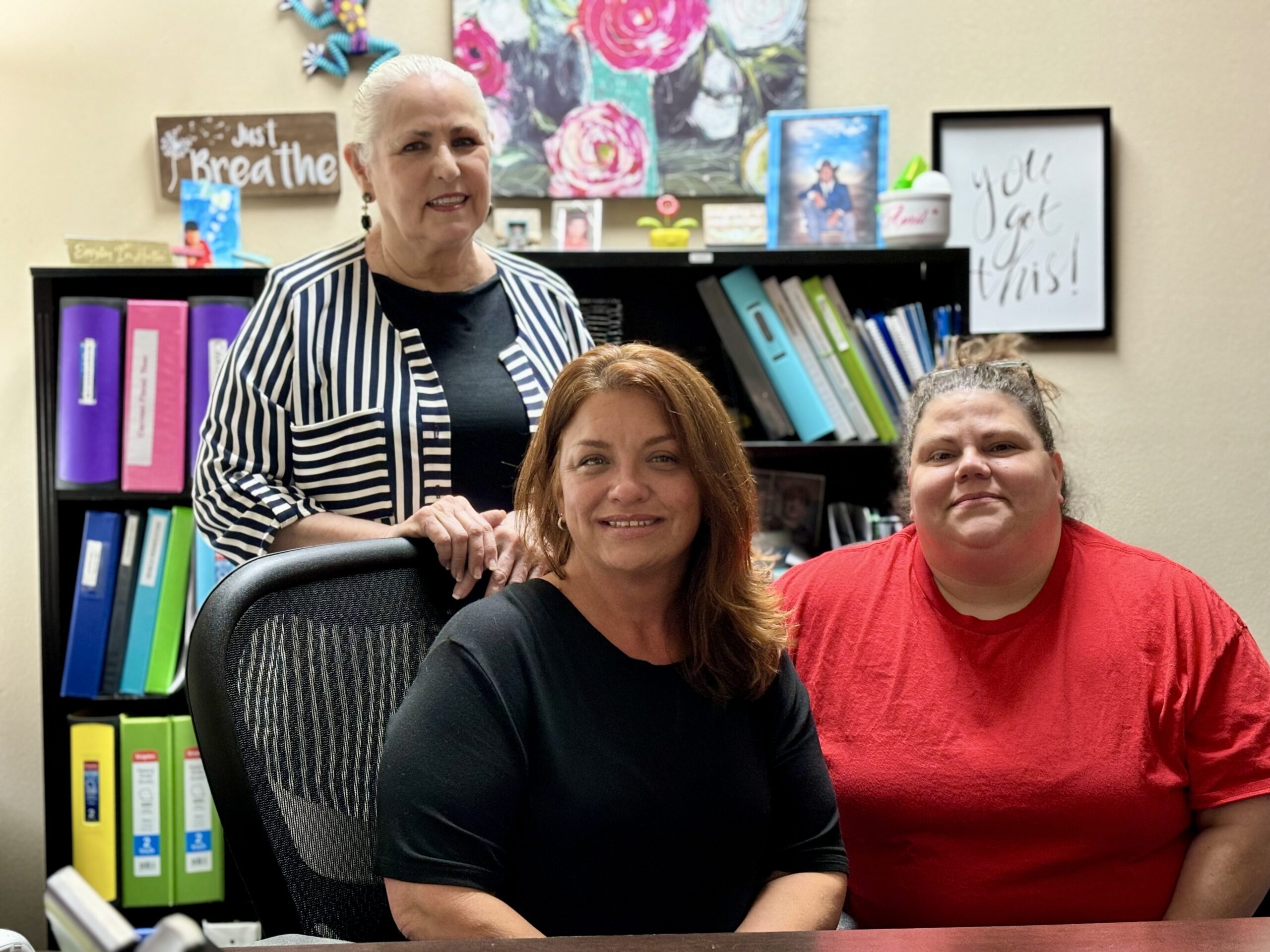
Independent Living Specialist April Brazzil said she was not surprised, noting the group does no marketing of their services, and sometimes has more funds and programs than people who need them.
“They very rarely give us any marketing tools,” Brazzil said. “We just recently were able to purchase little bitty calendars and we were allowed to have brochures.”
CRCIL helps disabled people live more normal lives, offering a number of different services, all administered by their caring and passionate staff. Funded by Texas Health and Human Services, the center analyzes each patient’s situation and unique needs, and tries to match them with available tools to get them closer to the life they knew before their disability, or to improve their situation to give them a more independent life.
The center handles many patients, each with their own unique circumstances, and the small but dedicated staff takes their time to consult and assist each patient, explaining the possible ways they can help, the process and the timeline to get that help – covering many of the things insurance does not cover or completely cover.
Information and referral services are offered on a wide range of disability-related topics such as housing, transportation, legislation, laws, adaptive equipment, employment opportunities, and support groups. Additionally, the center provides a list of other local resources that may be of assistance to individuals with disabilities. The center also provides support groups and health classes cover a variety of issues which include diabetes, Parkinson’s, chronic conditions, weight loss and more. Patients come in all shapes, sizes and ages – with special programs designed to help people transition from institutions back home or to community-based residencies.
Youth transition services help young consumers, ages of 14 to 24, become active members of their community by concentrating on developing independent living skills, accessing community resources, engaging in social and recreational activities, fostering health and wellness, and providing appropriate referrals for education, training, and employment.
The number of different services the center is able to offer is not quite endless, but can seem so, a Godsend to those afflicted by disabilities, where the smallest change can dramatically change their lives.
“Hearing aids, prosthetics, residential or home modifications such as ramps, grab bars, ceiling lifts, stair lifts, vehicle modifications, standing frames, large shower chairs for quadriplegics,” Brazzil said. “Specialty items, too – because insurance typically pays for durable medical equipment.”
Brazzil is on her ninth year at the center and said since each category has its own budget, the center had categories with waitlists and underused categories too, depending on the needs and requests at any given time. The center is usually involved with around 200 patients at any given time, assisting them with any number of tools for their particular disability. Brazzil said many people are eligible for assistance, although few may know it.
“You just need to live in the state of Texas and be diagnosed by a licensed practitioner with a disability,” Brazzil noted. “A disability could range from arthritis, diabetes, it could be cognitive, physical or mental.”
If you or someone you know could possibly benefit from the services the center provides, contact them to find out more. Some patients come to the office for their consultation, while many are interviewed in their own residences, for their convenience and safety. CRCIL is located at 1020 Crockett Loop 304 East, or at 936-544-2811. The center is open Monday through Thursday, from 8 a.m.-4:30 p.m.
For the dedicated and under-appreciated CRCIL staff, the goal of their hard work is simple, according to Brazzil.
“The gratification of helping people – to be able to watch a person that is destitute, who basically doesn’t know where to go and doesn’t know what to do,” Brazzil said. “Someone who can’t get around or is a prisoner in their home because they’re in a wheelchair and they can’t get out of their house because they don’t have a ramp. It’s just still that feeling. The first prosthetic I ever bought was for a lady who had been confined to a wheelchair and couldn’t get out of her home for three years. That feels good, to help those whose lives we can change for the better.”
Greg Ritchie can be reached at [email protected]